27 Jan
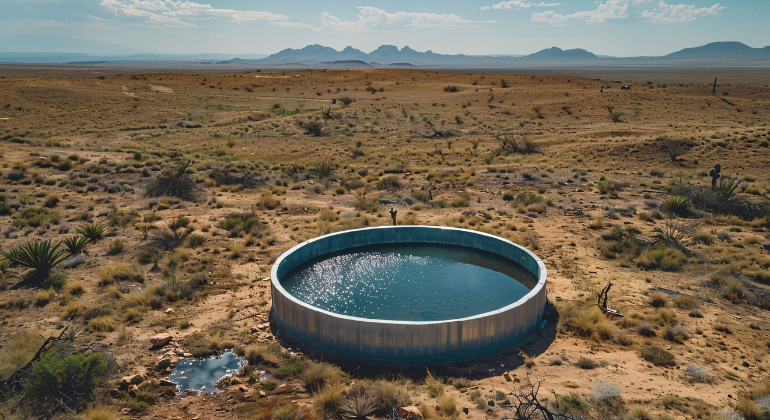
Underground water tanks play a critical role in supplying water to villas for daily activities such as bathing, cooking, cleaning, and irrigation. While these tanks are designed to store water safely, they can become a serious health and maintenance risk if algae and bacterial growth are allowed to develop unchecked.
Understanding the dangers of microbial contamination highlights why regular inspection and professional cleaning of underground water tanks is essential for every villa.
How Algae and Bacteria Grow in Underground Water Tanks
Even without direct sunlight, underground water tanks provide ideal conditions for algae and bacteria when maintenance is neglected. The most common contributing factors include:
- Stagnant water caused by low usage or vacant villas
- Warm environmental temperatures
- Accumulation of sediment, sludge, and organic matter
- Poor ventilation or damaged tank covers
- Irregular or infrequent cleaning schedules
Once established, algae and bacteria multiply rapidly and spread throughout the villa’s water system.
Health Risks for Villa Occupants
Waterborne Illnesses
Bacterial contamination can introduce harmful pathogens into the water supply, increasing the risk of stomach infections, diarrhea, and other gastrointestinal issues.
Skin and Eye Irritation
Using contaminated water for bathing can cause rashes, itching, and eye irritation, particularly affecting children, elderly residents, and individuals with sensitive skin.
Unpleasant Odors and Taste
Algae growth often produces foul smells and unpleasant taste, making water unsuitable for everyday use and indicating serious hygiene concerns.
Risks to Plumbing Systems and Property Infrastructure
Blocked Pipes and Reduced Water Flow
Algae and bacterial slime can accumulate inside pipes, restricting water flow and placing additional strain on pumps.
Damage to Pumps and Appliances
Contaminants can clog filters, damage pump components, and reduce the lifespan of water heaters, washing machines, and other appliances.
Corrosion and Structural Damage
Microbial activity accelerates corrosion of metal components and can damage tank linings, leading to leaks and costly repairs.
Why This Is a Serious Concern for Villas
- Contamination spreads throughout the entire water system
- Poor water quality affects hygiene, cleaning, and cooking
- Increased maintenance and repair costs over time
- Tenant complaints and reduced property value
- Potential non-compliance with health and safety standards
For landlords, neglecting tank hygiene can result in long-term liabilities.
Warning Signs of Contaminated Underground Water Tanks
Villa owners should be alert to the following signs:
- Cloudy or discolored water
- Greenish residue or slime inside tanks
- Foul or musty odors from taps
- Reduced water pressure
- Frequent pump malfunctions
Early detection can prevent more serious consequences.
Preventing Algae and Bacterial Growth
Regular Professional Tank Cleaning
Scheduled cleaning and disinfection remove sediment, algae, and bacteria before they become hazardous.
Proper Tank Sealing and Maintenance
Ensuring covers, vents, and access points are properly sealed prevents external contamination.
Avoid Water Stagnation
Regular water circulation and periodic flushing reduce conditions that promote bacterial growth.
Routine Inspections and Water Testing
Regular inspections and testing help identify contamination early and maintain safe water quality.
Final Thoughts
Algae and bacterial growth in underground water tanks pose serious risks to health, hygiene, and villa infrastructure. These issues often develop quietly, making regular maintenance and professional cleaning essential.
By prioritizing underground water tank hygiene, villa owners and landlords can protect their occupants, preserve their property, and ensure a safe and reliable water supply year-round.